

Microdermabrasion vs Microneedling: Which Is Better for Skin Texture

If you are comparing microdermabrasion vs microneedling for uneven-looking skin texture, the key difference is how each treatment works. Microdermabrasion gently exfoliates the skin’s surface, while microneedling uses a device with fine needles to create controlled micro-channels in the skin. Neither is automatically better: the right discussion depends on the concern, skin condition, desired downtime, and professional assessment.
Book an appointment to discuss your skin goals
These procedures are not interchangeable, and a comparison online cannot determine whether either is suitable for you. This guide explains the differences and the questions that can help you have a more useful conversation with a qualified provider. OC Skin Care Center is in Newport Beach and takes a personalized, education-first approach to skin care.
What is the difference between microdermabrasion and microneedling?
Microdermabrasion is a form of mechanical exfoliation. A treatment device exfoliates the outermost skin surface, with the goal of removing some surface buildup. Microneedling is a different procedure: a professional device uses fine needles to create controlled micro-channels in the skin. The depth and treatment plan depend on the device, area, and professional assessment.
In practical terms, microdermabrasion focuses on the skin’s surface. Microneedling involves a more intensive procedure and a different recovery conversation. These broad descriptions do not predict an individual result. The same person may need a different recommendation depending on the specific concern, current skin condition, medical history, and tolerance for downtime.
A published comparison also describes the treatments as different approaches used in discussions of concerns such as dullness, acne scarring, and wrinkles. Those examples are not a guarantee of benefit or a recommendation for a particular person. Read the educational comparison of microneedling and microdermabrasion, then discuss any treatment decision with an appropriately qualified professional.
The terms can sound like two versions of the same service, but they describe different techniques. Surface exfoliation does not involve the same device action as controlled needling. That distinction matters when you talk through comfort, possible temporary changes, preparation, and aftercare. Ask the provider to explain the technique in plain language and to connect it to the specific feature you want assessed, rather than relying on the procedure name alone.
How do the treatments compare?
This table is a general orientation, not a treatment prescription. Specific techniques, candidacy, and aftercare can vary. Microdermabrasion is not listed here as a service offered by OC Skin Care Center; ask a provider about the options that are available and appropriate for you.
| Comparison point | Microdermabrasion | Microneedling |
|---|---|---|
| Basic approach | Mechanical exfoliation of the skin’s surface | A professional device creates controlled micro-channels with fine needles |
| Primary area of focus | Surface exfoliation | A procedure that works through controlled needling; the plan depends on the person and treatment area |
| Planning discussion | Skin sensitivity, current condition, and suitability for exfoliation | Skin condition, concerns, treatment area, goals, and expected downtime |
| Recovery conversation | Ask what temporary sensitivity or visible changes may occur with the specific technique | Ask about expected recovery, aftercare, and when to resume usual skin care and activities |
| Questions to ask | Would exfoliation address my concern, and what should I avoid before or after? | Why is needling being considered, and what preparation and aftercare apply? |
| How to decide | Have a professional assess whether surface exfoliation fits your concern | Have a professional assess whether microneedling fits your concern and goals |
Notice that the table does not rank one procedure as stronger or more effective. There is no useful universal ranking when the concerns and skin conditions being compared may be different. Instead, use the comparison to identify what you need to ask: what is being treated, why the technique fits that concern, what other options exist, and what the process would require from you.
Which option may fit your skin concern?
Start by describing what you see and feel rather than choosing a procedure by name. “Rough texture” can mean several things: dry or flaky areas, visible pores, post-acne marks, uneven tone, or a change in how makeup sits. Those concerns can have different causes. A thorough conversation helps distinguish what you want to address from the treatment that might be considered.
- If the concern seems limited to surface roughness or dullness: Ask whether a gentle exfoliation approach or a home-care adjustment is more appropriate. More exfoliation is not always better, particularly if the skin is irritated or sensitive.
- If you are concerned about the look of acne marks or textural irregularity: Ask what may be contributing to the appearance and whether a procedure is appropriate. Do not assume that a treatment is suitable based on a photograph or a general description.
- If your skin feels reactive, irritated, or unusually uncomfortable: Tell the provider before considering a resurfacing treatment. The next step may be to understand the irritation and support the skin rather than add a procedure.
- If you are unsure what you are seeing: A professional assessment can help clarify the concern and whether a facial, home-care adjustment, microneedling, or another plan should be considered.
Before your appointment, make the concern more concrete. Note where it appears, whether it is new or longstanding, and what seems to make it more noticeable. If you have several concerns, put them in order of importance. For example, you might say that roughness across the cheeks is your main priority, while occasional dryness is secondary. This helps keep the conversation focused rather than turning it into a broad request to “fix texture.”
Skin tone, recent sun exposure, active irritation, existing products, relevant medical history, and the area being treated may all matter in a suitability discussion. Share what you use at home and any recent treatments. Ask the provider to explain the reasons behind a recommendation and the alternatives, including waiting or choosing no procedure for now.
A simple preparation note can help: write down the products and active ingredients you use, when you last had a facial or procedure, and any reaction you have experienced. Mention changes in your skin since your last appointment. This is more useful than trying to remember every detail in the room, and it gives the provider a clearer picture before discussing treatment possibilities. Do not stop prescribed care or change a routine just to prepare unless your provider has advised you to do so.
What should you expect from a microneedling consultation?
A consultation should begin with your skin condition, concerns, goals, and desired downtime—not with a promise that one device or procedure fits everyone. The provider should explain the proposed approach in clear language, what the appointment involves, what recovery may look like, and what aftercare is recommended. You should have a chance to ask questions and decide whether the plan feels appropriate.
At OC Skin Care Center, the Meta Therapy microneedling pathway is discussed in relation to an individual’s skin and goals. The trained team at OC Skin Care Center can explain whether this option is worth discussing for your concerns and what questions to consider. You can read more about Meta Therapy microneedling in Newport Beach and meet the OC Skin Care Center team. This does not mean microneedling is right for every client, and it does not establish that the center offers microdermabrasion.
Consider asking:
- What specific feature of my skin are we addressing?
- Why is this approach being considered instead of exfoliation, a facial, home-care changes, or waiting?
- What should I expect during recovery, and which activities or products should I pause?
- What signs after treatment should prompt me to contact the practice or seek medical advice?
- How will we evaluate whether the plan is appropriate before considering another treatment?
You can also ask the provider to walk through the sequence of the visit: what happens before treatment, how the area is prepared, how the approach is adapted to your skin, and what instructions you will receive before leaving. If you are unclear about a term or recommendation, ask for a simpler explanation. You should understand the proposed plan well enough to describe its purpose, expected care, and alternatives in your own words.
These questions help keep the conversation realistic and individualized. A responsible plan should not guarantee a particular result. It should make clear what is known, what varies from person to person, and how your provider will guide next steps.
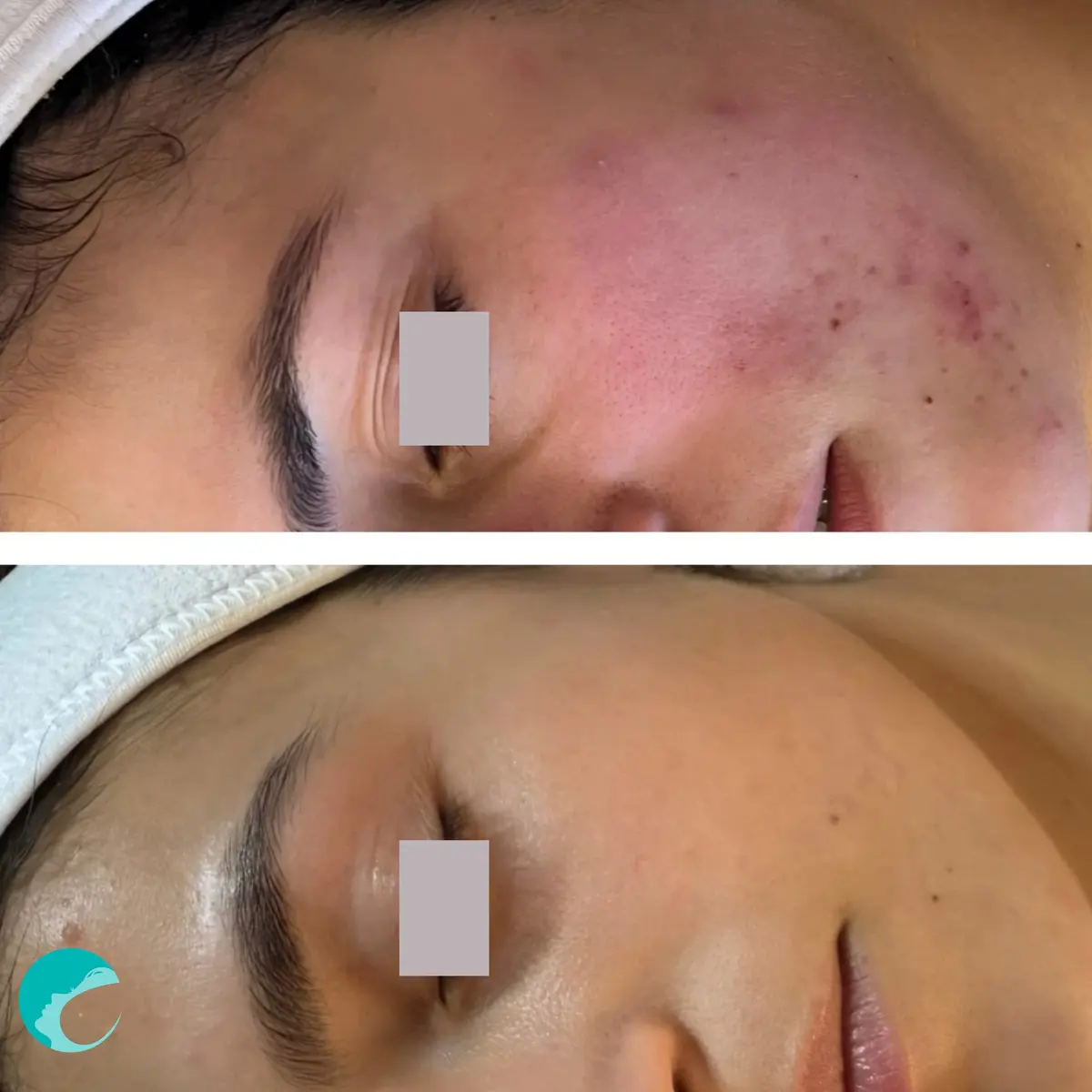
How do downtime and aftercare affect the choice?
Downtime can influence whether a treatment fits your calendar and comfort level, but it should not be the only factor. Ask what temporary changes are expected with the specific procedure, how long they may last, and what to do if your recovery differs from what was discussed. Do not rely on a generic timeline as a promise for your own skin.
It can help to plan backward from an important event, travel, or work commitment. Tell the provider about dates that matter and ask whether the proposed timing is sensible. Do not schedule based on a general online estimate. The provider should explain the expected recovery for the specific plan and whether postponing would be the more comfortable choice. A calendar constraint is relevant information, not something to work around by rushing a decision.
Before a procedure, tell your provider about active irritation, recent procedures, relevant health conditions, and all products or medications that could affect your skin. Follow the instructions you receive rather than borrowing a preparation or aftercare routine from someone else. If instructions are unclear, contact the practice before changing your routine or resuming active products.
For either treatment, avoid assuming that more frequent or more intense exfoliation improves texture. Scrubbing, layering multiple active ingredients, or combining procedures without guidance may be unsuitable for some skin. A personalized plan can include a simpler home routine, a professional facial, a procedure, or a pause while the skin settles.
It is useful to leave an appointment with written or clearly explained guidance on what to do at home, what to avoid temporarily, and how to ask for help if you have a concern. Keep the instructions from your provider together and follow them for your specific plan. General advice from a friend or a different procedure’s aftercare sheet may not apply to your situation.
How does a customized facial fit into the decision?
Not every texture concern calls for a procedure. A professional, personalized facial may be a better conversation when the priority is understanding the skin, addressing basic care, or refining a maintenance plan. At OC Skin Care Center, the skin condition, concerns, and goals are evaluated before deciding whether a facial, home-care adjustment, or another treatment is an appropriate next step.
Learn about personalized professional facial treatments and the center’s broader skin and aesthetic services. The pages describe service pathways; a provider can help determine which, if any, makes sense for your individual needs. If breakouts or lingering blemish concerns are part of the picture, you can also review the information on acne and blemish care.
A facial and a procedure should not be treated as automatic substitutes. The appropriate discussion starts with your skin and goals. If the immediate need is a professional assessment and a tailored care conversation, a facial pathway may be worth exploring; if the concern calls for a different approach, your provider can explain that. Ask what the proposed appointment is intended to address, how it fits with your current routine, and whether any treatment should wait until the skin is in a better condition.
If you prefer to begin with education before selecting a service, OC Skin Care Center offers a Personalized Skin Roadmap. The Tangent AI assessment takes approximately two minutes, and the personalized roadmap is typically delivered within 24–48 hours. It can support a conversation about your skin needs and professional guidance; it is not a substitute for an in-person assessment when one is needed. Learn about the Personalized Skin Roadmap.
How can you make a thoughtful choice?
- Name the concern. Note where the texture change appears, when you noticed it, and what makes it more or less noticeable.
- Review your current routine. List products, active ingredients, recent treatments, and any reactions. This gives your provider useful context.
- Be clear about downtime. Share upcoming events or work commitments and ask what recovery is realistically like for the proposed approach.
- Compare the reason for each option. Ask how surface exfoliation, a facial, microneedling, or a home-care adjustment would address your particular concern. Ask about alternatives and the option of waiting.
- Choose only after questions are answered. Understand the plan and aftercare before agreeing. You can take time to consider the recommendation.
For general background, the center also explains personalized approaches to skin rejuvenation. If you are ready to discuss your own skin rather than compare procedures in the abstract, use the appointment page to take the next step.
As you compare suggestions, listen for a clear link between your concern and the recommended plan. A useful explanation should address why that option is being considered, what it will involve, what factors could change the recommendation, and what alternatives are available. If the explanation is vague, ask more questions or take time to reflect. You are not required to select a procedure during the first conversation.
Schedule a personalized skin-care appointment
Frequently asked questions
Is microneedling the same as microdermabrasion?
No. Microdermabrasion exfoliates the skin’s surface. Microneedling uses a professional device with fine needles to create controlled micro-channels. They differ in technique, planning, and recovery discussion.
Which is better for uneven skin texture?
There is no single best option for everyone. The choice depends on what is causing the texture concern, your skin’s current condition, your goals, and your tolerance for downtime. A professional assessment can help identify an appropriate next step.
Does OC Skin Care Center offer microdermabrasion?
Microdermabrasion is not identified here as a service offered by OC Skin Care Center. The center offers a personalized discussion of skin-care options, including professional facials and Meta Therapy microneedling when appropriate. Ask the team which services are currently available and suitable for your needs.
Can I choose microneedling based on online photos?
Photos cannot establish whether a procedure is appropriate for your skin. A provider should consider your skin condition, concerns, goals, and relevant history, then explain the plan, alternatives, and aftercare.
What if I am not sure whether I need a procedure?
That is a useful starting point for a consultation. Discuss what you notice and ask whether a facial, home-care adjustment, another option, or no procedure for now best fits your skin and goals.
The clearest answer to microdermabrasion vs microneedling is that they are different approaches, and the better choice depends on an individualized assessment—not the name of a procedure alone. A thoughtful discussion can help you understand your options and choose a next step that respects your skin, goals, and comfort with downtime.