

How Often Should You Get a Facial? A Guide

A facial can leave your skin feeling refreshed, but more frequent appointments are not automatically better. The right cadence depends on what your skin is experiencing, how it responds after treatment, and what your provider is trying to address. For broader context, read our guide to professional facial treatments in Orange County.
Get Your Personalized Skin Roadmap
How often you should get a facial depends on your skin condition, concerns, goals, treatment type, home-care routine, and how your skin responds between appointments. At OC Skin Care Center, we personalize facial frequency around the individual rather than placing every client on the same schedule.
Gentle maintenance care may fit a different rhythm than acne-focused treatments, exfoliating peels, or device-based services. Paying attention to comfort and response helps you avoid over-treatment while still supporting your goals. The first step is understanding why spacing matters for skin renewal and how your skin's recovery should guide the plan.
Why Does Facial Frequency Matter for Skin Renewal?
Facial frequency matters because skin is not responding to a calendar alone. The right pace depends on how your skin responds, what the treatment is designed to do, and how consistently you support it at home. When considering how often should you get a facial, think in terms of a flexible plan rather than a universal interval.
Your skin's response helps guide the next step
A facial may leave your skin feeling comfortable and refreshed, but a different treatment or a more active home-care routine may temporarily increase dryness, peeling, or stinging. Topical retinoids, salicylic acid, benzoyl peroxide, and some acne medications can make skin more sensitive, according to Healthline's review of facial frequency. If your skin is already reactive, the priority may be restoring comfort and supporting the skin barrier before adding another exfoliating or extraction-focused service.
Moisturizing can help trap water in the skin and restore essential lipids, notes the American Academy of Dermatology in its guidance on rosacea-prone skin. That does not make one moisturizer or one treatment appropriate for everyone. It does show why comfort, hydration, and tolerance belong in the conversation before your next appointment.
Treatment intensity and goals change the timing
A gentle maintenance facial, a service focused on congestion, and a chemical peel do not place the same demands on the skin. Even peel timing can vary with the strength of the solution and the time needed for the skin to recover. The goal matters, too. Someone addressing dullness may need a different approach from someone managing sensitivity, dryness, excess oil, or recurring congestion.
At OC Skin Care Center, the treatment plan is shaped around your skin condition, concerns, and desired outcome. The trained OCSC team can help determine whether a facial, a home-care adjustment, or another professional option is the most appropriate next step. Explore the customized facial treatments available in Newport Beach and Orange County, and follow provider guidance rather than treating frequency as a fixed prescription.
How Often Should You Get a Facial for Your Skin Type?
Skin type can help shape a facial plan, but it should not determine a fixed calendar by itself. Dryness, oiliness, congestion, sensitivity, current home care, and the skin's response after treatment all matter. A provider adjusts cadence to your current skin condition and comfort rather than repeating the same schedule year-round.
For many clients receiving regular maintenance facials, approximately every 4-6 weeks can be a useful starting point because it allows for ongoing professional assessment and consistent care. However, this is not a universal schedule. Acne-focused care, chemical peels, more advanced treatments, sensitive skin, and specific treatment goals may require a different cadence based on the individual skin response and provider recommendation.
Use skin concerns as planning cues, not a prescription
The table below offers educational planning cues for discussing your goals with a trained provider. Skin can shift with weather, stress, hormonal changes, travel, product use, and treatment recovery, so the most appropriate timing may change as well.
Helpful starting points by treatment type:
- Gentle, hydration-focused facial: Timing should be individualized around your skin's comfort, home-care routine, goals, and response between visits.
- Acne-focused facial or extractions: Timing should be individualized around congestion, whether acne is inflamed or persistent, current products, and how the skin responds. Repeating extractions on a fixed schedule is not automatically better.
- Superficial chemical peel: DermNet NZ notes that some people have superficial peels every few weeks, while a moderate-depth peel may warrant a 3- to 6-month interval. The specific solution, depth, skin tone, and recovery response must guide the plan.
- Device-based treatment: Light-based and resurfacing plans may use intervals of weeks or months, depending on the device, intensity, treatment goal, and recovery response.
These examples are supported by DermNet NZ's chemical-peel guidance and Healthline's medically reviewed overview. They are educational ranges only. Your provider should set the timing after considering your skin condition, sensitivity, goals, home care, and response to the last treatment.
Planning cues for facial frequency by skin concern| Skin concern | Planning cues | What your provider may consider |
|---|---|---|
| Dry or dehydrated | Prioritize comfort, hydration, and support for the skin barrier before adding intensive steps. | Current dryness, tightness, product tolerance, seasonal changes, and whether moisturizing support is improving comfort. |
| Oily or congested | Focus on balanced cleansing and targeted care without assuming that more frequent or aggressive treatment is better. | Congestion, excess oil, sensitivity, home-care products, and whether extractions or other steps are appropriate. |
| Sensitive or reactive | Allow the skin's response to guide decisions, especially when stinging, redness, peeling, or discomfort is present. | Recent product changes, active ingredients, known triggers, treatment intensity, and recovery before another appointment. |
| Balanced or maintenance | Use facials to support ongoing goals, skin comfort, and a consistent professional assessment. | Personal goals, changes in texture or dullness, seasonal needs, and whether home care is supporting the desired results. |
Consider your products and recent skin response
Topical retinoids, salicylic acid, benzoyl peroxide, and isotretinoin can increase sensitivity and contribute to dryness, peeling, or stinging, according to Healthline's facial-frequency guidance. If you use products like these, share them with your provider before treatment. Sensitive or rosacea-prone skin may also need especially gentle cleansing and moisturizing; the American Academy of Dermatology recommends gentle cleansing and moisturizing for rosacea-prone skin.
At OC Skin Care Center, facial choices reflect concerns such as dryness, dullness, congestion, oiliness, sensitivity, or irritation. Explore OCSC facial treatment options with a provider who can reassess your skin and adjust the plan as it responds.
How Does Facial Type Change Your Schedule?
The right timing depends not only on your skin, but also on what the treatment is designed to do. A gentle maintenance facial may fit into an ongoing plan, while a more targeted treatment may require preparation, recovery time, or a series planned by your provider. Facial care should be adjusted around your skin's response, current home-care products, sensitivity, and goals rather than placed on an automatic calendar.
Gentle facials, HydraFacial, and acne-focused care
A maintenance facial can focus on cleansing, hydration, massage, and supporting comfortable-looking skin. Even then, your provider may modify the treatment if your skin is dry, reactive, irritated, or recently exposed to stronger products. OCSC's Custom HydraFacial is customized to skin needs. The official facial-treatment page describes deep cleansing, gentle exfoliation, hydration infusion, extractions if needed, and a customized finishing mask. A well-planned treatment pairs controlled exfoliation with hydration while being customized to avoid unnecessary irritation or over-treatment. Review the OCSC facial treatment options to see how professional care can be matched to your concerns.
Acne-focused care also does not mean treating the skin as aggressively or as often as possible. OCSC's Acne Facial uses gentle techniques and targeted care for clogged pores, excess oil, and congestion, with an emphasis on calming inflammation and avoiding over-stripping. Your provider may also consider acne products that can cause dryness, peeling, or stinging, then coordinate treatment with a personalized home-care routine. Learn more about the personalized acne facial approach.
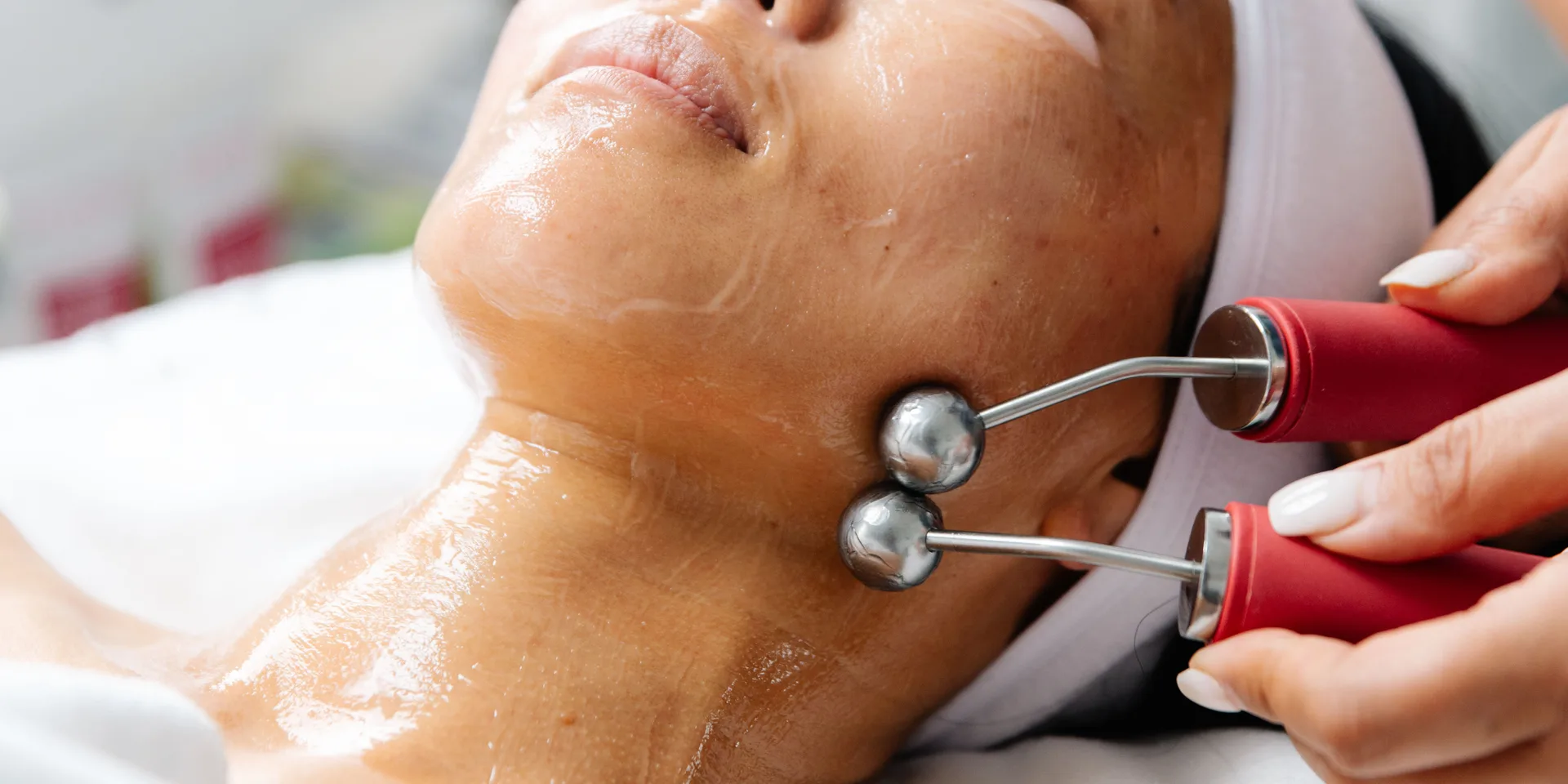
Peels and device-based treatments need a different plan
Chemical peels vary in strength, so their spacing varies as well. Educational guidance commonly distinguishes superficial peels, which may be considered weeks apart, from medium-depth peels, which may be spaced over months depending on the solution and the way your skin heals. A plan should come from a qualified provider after reviewing your skin condition and recent products, not from a general interval found online. You can review the treatment-specific guidance from Healthline as general background, not a personal prescription.
Device-based treatments can also involve multiple sessions spaced weeks or months apart. Laser or light-based plans depend on the device, intensity, treatment goal, and recovery response. That is why the practical answer to how often should you get a facial may change when the facial includes a peel, technology, or another targeted step. Your provider can decide whether to continue, modify, or pause the plan as your skin changes.
What Signs Suggest You Need More Time Between Facials?
A facial schedule should support your skin, not compete with its ability to recover. If each appointment leaves you feeling increasingly uncomfortable, treat that response as useful information. It does not automatically mean a treatment was inappropriate. But it may mean your provider needs to reassess the treatment intensity, products, preparation, or spacing before your next visit.
When your skin stays irritated after treatment
Persistent redness, stinging, tenderness, peeling, tightness, or unusual dryness are all reasons to pause and check in rather than automatically booking another facial. These sensations can also be influenced by home-care products. Topical retinoids, salicylic acid, benzoyl peroxide, and isotretinoin may increase sensitivity and contribute to dryness, peeling, or stinging. If you use an acne routine or other active ingredients, tell your provider what you are applying and how your skin has responded.
Sensitive or rosacea-prone skin may also react to ingredients that feel comfortable for someone else. The American Academy of Dermatology recommends gentle cleansing and moisturizing for rosacea-prone skin, and notes that moisturizer helps trap water and restore essential skin lipids. If dryness remains excessive or painful, seek appropriate medical guidance instead of assuming another facial will solve the problem.
When your concerns are changing instead of improving
A different pattern can also signal that your plan needs an update. Recurring congestion, increasing oiliness, or breakouts between appointments may mean the current approach is not addressing the factors affecting your skin. On the other hand, a routine designed for congestion may feel too active if your main concern has shifted toward dryness or sensitivity. These observations are not a diagnosis. They are useful details to bring to a consultation.
Your goals can change as well. You may no longer want the same level of exfoliation, extractions, or recovery time, or you may be preparing for an event and prefer a gentler approach. At OC Skin Care Center, facial selection is based on your skin condition, concerns, and goals rather than a universal calendar. Review the OCSC facial treatment options with your provider, and let the team determine whether to continue, modify, pause, or choose another next step.
How Can You Maintain Results Between Appointments?
The answer to how often should you get a facial is not separate from what happens at home. A thoughtful routine can help your skin remain comfortable between professional visits, while irritation or inconsistent care may change what your provider recommends next. The goal is not to add more products. It is to support your skin's current condition and preserve the reason you chose a facial in the first place.
Keep daily care gentle and consistent
Use the following as a flexible framework, not a universal prescription. Your skin may need a simpler routine after a treatment or a different approach when concerns change.
- Cleanse gently. Avoid scrubbing, very hot water, and aggressive cleansing when your skin feels tight, tender, or reactive. Gentle cleansing is especially important for sensitive or rosacea-prone skin. The American Academy of Dermatology recommends cleansing very gently for rosacea-prone skin. Read the AAD guidance.
- Moisturize after cleansing. Moisturizer helps trap water in the skin and can restore essential lipids, which supports comfort and barrier care. Choose a formula that fits your skin and follow any product-specific directions rather than adding several new products at once.
- Protect your skin from the sun. Apply a broad-spectrum sunscreen as directed and reapply based on your exposure and the product instructions. Sun protection is part of maintaining a results-focused routine, not an optional add-on between appointments.
- Follow directions for active products. Retinoids, salicylic acid, benzoyl peroxide, and other acne products can contribute to dryness, peeling, or stinging for some people. Do not create a universal retinol schedule. Follow the product directions and the frequency recommended by your provider, introducing or adjusting products gradually when advised.
Use your skin response to guide the next visit
Pay attention to persistent dryness, stinging, peeling, unusual sensitivity, or worsening congestion. These observations do not diagnose a problem, but they are useful information for your trained OCSC team. If your goals or home-care products change, your next facial may need a different intensity, focus, or timing. A personalized skincare routine for your skin type can also help connect daily care with your professional plan.
At OC Skin Care Center, facial frequency is part of the client's personalized treatment plan. Our trained OCSC team evaluates the skin's condition, treatment response, home-care routine, and goals over time so the frequency and treatment approach can be adjusted as the skin changes.
When Should You Ask for a Personalized Facial Plan?
The answer to how often should you get a facial depends on what your skin is experiencing now, not on a calendar rule. A professional assessment can help clarify whether your next step should be a facial, a home-care adjustment, or a different treatment altogether. At OC Skin Care Center, the goal is to make that decision education-first, with attention to your skin condition, concerns, goals, sensitivity, and response to previous care.
Start with your skin's current needs
Your skin may need a different approach when dryness, dullness, congestion, oiliness, sensitivity, or irritation becomes the primary concern. Your provider can look at those patterns and discuss what has changed since your last appointment. Product use matters too. Topical retinoids, salicylic acid, benzoyl peroxide, and other acne products may contribute to dryness, peeling, or stinging. So treatment intensity and timing should account for your current routine and how comfortable your skin feels.
That conversation is especially useful when your goals have shifted. A plan for maintaining hydration may not be the same as a plan for addressing congestion or uneven texture. Rather than automatically repeating the same service, our trained OCSC team can help determine whether a customized facial, a gentler approach, or a pause for barrier support makes more sense.
Choose care that supports a longer-term plan
OCSC facial treatments are personalized and results-focused. For example, a Custom HydraFacial can be adapted to skin needs, with steps that may include cleansing, hydration, extractions when appropriate, and a finishing mask. An Acne Facial combines gentle, targeted care for clogged pores, excess oil, and congestion with guidance for a personalized home-care routine. The appropriate option depends on your assessment and how your skin responds.
Explore personalized facials in Orange County to learn how professional guidance fits into ongoing care, or review OCSC facial treatment options before your appointment. The most useful plan is one that connects in-office care with realistic home support and changes as your skin and goals change.
Get Your Personalized Skin Roadmap
Frequently Asked Questions
How often should you get a facial?
For many clients, a professional facial approximately every 4-6 weeks can be a useful starting point for ongoing maintenance, but the ideal frequency depends on your skin condition, concerns, treatment type, sensitivity, goals, and home-care routine. At OCSC, we adjust the plan according to how your skin responds rather than following the same schedule for every client.
Can you get a facial if you have sensitive or reactive skin?
Yes, but the treatment should be selected and adapted carefully. Tell your provider about ongoing redness, stinging, dryness, peeling, rosacea concerns, and any products or medications that make your skin more sensitive. A gentler approach and appropriate recovery time may be more suitable than frequent exfoliation.
How often should you get an acne facial?
That depends on your congestion, oil production, inflammation, current acne products, and how your skin handles treatment. A personalized acne facial should use gentle, targeted care rather than over-stripping the skin. Your provider can also help coordinate professional visits with a home-care routine.
Do chemical peels require a different schedule than regular facials?
Yes. Peel frequency depends on the solution's strength and depth, so a chemical-peel plan should be set by your provider rather than copied from a general facial schedule. More intensive treatments may require more recovery time and a carefully planned series.
When should you wait longer between facials?
Consider pausing and asking for guidance if your skin remains irritated, unusually dry, stings during routine care, peels persistently, or feels less comfortable after appointments. These signs do not identify a specific condition, but they are useful reasons to reassess the treatment type, timing, and home-care products.
Get Started With a Personalized Facial Plan
Not sure how often your skin would benefit from professional care? Start with OC Skin Care Center's Personalized Skin Roadmap. The complimentary Tangent AI assessment takes approximately two minutes to complete, and your personalized Skin Roadmap is typically delivered within 24-48 hours to help guide the right home-care and professional treatment approach for your skin concerns and goals.