

Build a skincare routine for your 40s with gentle cleansing, hydration, sunscreen, gradual actives, and personalized guidance for changing skin needs.
The Skincare Routine for Your 40s: A Clearer Plan
Aug 31, 2026

Your 40s can be a useful time to reassess a familiar skincare routine. Skin may feel drier, less elastic, more reactive, or slower to recover than it once did. A skincare routine for your 40s should respond to those changes with consistent barrier support, daily broad-spectrum sunscreen, and carefully selected active ingredients rather than a crowded shelf of products.
Explore a Personalized Skin Roadmap for guidance based on your skin's needs.
The best skincare routine for your 40s is consistent, protective, and individualized. It generally includes gentle cleansing, comfortable hydration, broad-spectrum sunscreen, and active ingredients introduced gradually when appropriate. Professional guidance can help you decide which concerns to prioritize and how your home routine may fit with in-office care.
Age is a point of reference, not a prescription. Genetics, hormones, medications, sun exposure, skin conditions, and treatment history all influence what will feel and work well for you. The goal is to understand your skin's current signals and build a manageable plan around them.
What Changes in Your Skin in Your 40s?
Skin changes in the 40s do not follow one universal schedule. Some people notice dryness or sensitivity first. Others focus on fine lines, uneven tone, congestion, or a gradual change in firmness. The National Institute on Aging explains that aging skin may become thinner, less stretchy, and drier as oil and sweat production change. These observations can help you choose priorities without turning a decade into a set of rigid rules.
Structure and visible lines
Collagen and elastin help give skin structure and flexibility. With age, changes in these supportive proteins may contribute to fine lines, wrinkles, and a less firm appearance. That does not mean every person needs the same retinoid, procedure, or number of treatments. It does mean gentle care, sun protection, and a plan that considers your individual goals become increasingly useful.
Dryness and barrier comfort
Reduced oil production and hormonal changes may make tightness, roughness, or sensitivity more noticeable. The barrier helps limit water loss and protects skin from environmental exposure. Over-cleansing, frequent scrubbing, and introducing several strong actives at once can make discomfort harder to understand. A routine that leaves skin comfortable after cleansing is often a better starting point than one that creates a persistently tight feeling.
Cumulative UV exposure
Ultraviolet exposure accumulates over time. It can contribute to changes in texture, uneven tone, wrinkles, and skin cancer risk. Daily broad-spectrum sun protection remains important even when visible sun damage is not your main concern. The National Institute on Aging's skin care and aging guidance offers additional background on caring for changing skin.
Persistent itching, burning, unusual lesions, or a sudden change deserves medical evaluation rather than another cosmetic product. If the main concern is dryness, dullness, breakouts, or uneven tone, record what you notice and how your skin responds to current products. That information can make a professional discussion more specific.
Which Ingredients Matter Most in a Skincare Routine for Your 40s?
Ingredients should follow your skin's condition and goals. A useful routine may address hydration, texture, discoloration, breakouts, or sensitivity, but it does not need every active ingredient. Introduce one meaningful change at a time so you can identify both benefits and irritation.
Retinoids for texture and renewal
Retinoids, including retinol, are vitamin A derivatives that may support smoother-looking texture and help address fine lines or blemishes. Research has found that topical retinol can improve the appearance of naturally aged skin, but stronger or more frequent use is not automatically better. Pregnancy, breastfeeding, medications, existing skin conditions, and individual tolerance all matter. Ask a qualified provider whether a retinoid fits your goals, then follow the product directions and introduce it gradually if recommended.
Retinew is OCSC's micro-encapsulated retinol formula with ceramide and soothing ingredients, designed to support smoother-looking texture and visible signs of aging while keeping skin comfort in mind. Your provider can help determine whether Retinew and its recommended use are appropriate for your skin.
Hydration and barrier support
Humectants such as hyaluronic acid attract water to the outer layers of skin. Moisturizers then help improve comfort and reduce water loss. The most suitable texture depends on whether your skin is dry, combination, oily, acne-prone, or reactive. DreamSkin Moisturizer is OCSC's hyaluronic-acid gel cream designed to provide lightweight hydration and support skin comfort as part of a personalized routine.
Targeted care and daily sunscreen
If congestion or breakouts are part of your concerns, salicylic acid can be useful for some people. SalicyClear combines salicylic acid and niacinamide to provide targeted care for skin experiencing congestion or breakouts when appropriate for the individual's skin. Do not assume that every active should be layered together. Broad-spectrum sunscreen remains a foundational daytime step because UV protection supports both long-term skin health and the appearance of more even texture.
| Step | Support | Approach |
|---|---|---|
| Retinol | Texture | Add slowly |
| Moisturizer | Hydration | Match formula |
| Sunscreen | UV protection | Reapply as directed |
| Salicylic acid | Congestion | Use selectively |
Product order is a general framework, not a universal rule. It may vary with the specific formulation, active ingredients, textures, and personal recommendations. More products do not necessarily create better results.
How to Build Your Morning Skincare Routine in Your 40s
A morning routine should protect the skin you have today and support comfort throughout the day. Keep the steps simple enough to repeat, then adjust based on dryness, sensitivity, oiliness, and outdoor exposure.
- Cleanse gently. Use a mild cleanser and lukewarm water if your skin needs a morning cleanse. If you wake with very dry or sensitive skin, your provider may suggest rinsing with water instead. Skin should not feel stripped immediately afterward.
- Add an optional antioxidant. An antioxidant serum may suit goals such as supporting a more even-looking complexion. Formulas vary in strength and pH, so introduce one product at a time. Persistent stinging or redness is a reason to pause and reassess.
- Hydrate and support the barrier. Apply a moisturizer selected for your skin's needs. A gel cream such as DreamSkin Moisturizer may feel comfortable for some skin types, while other skin may need a different texture or formula.
- Finish with broad-spectrum sunscreen. Apply sunscreen to exposed skin as the final morning step. Reapply according to the product directions, particularly when spending time outdoors in Newport Beach or elsewhere in Orange County.
- Protect the routine from unnecessary complexity. Keep a record of new products and avoid changing several steps at once. A simpler routine makes it easier to identify what supports your skin and what causes irritation.
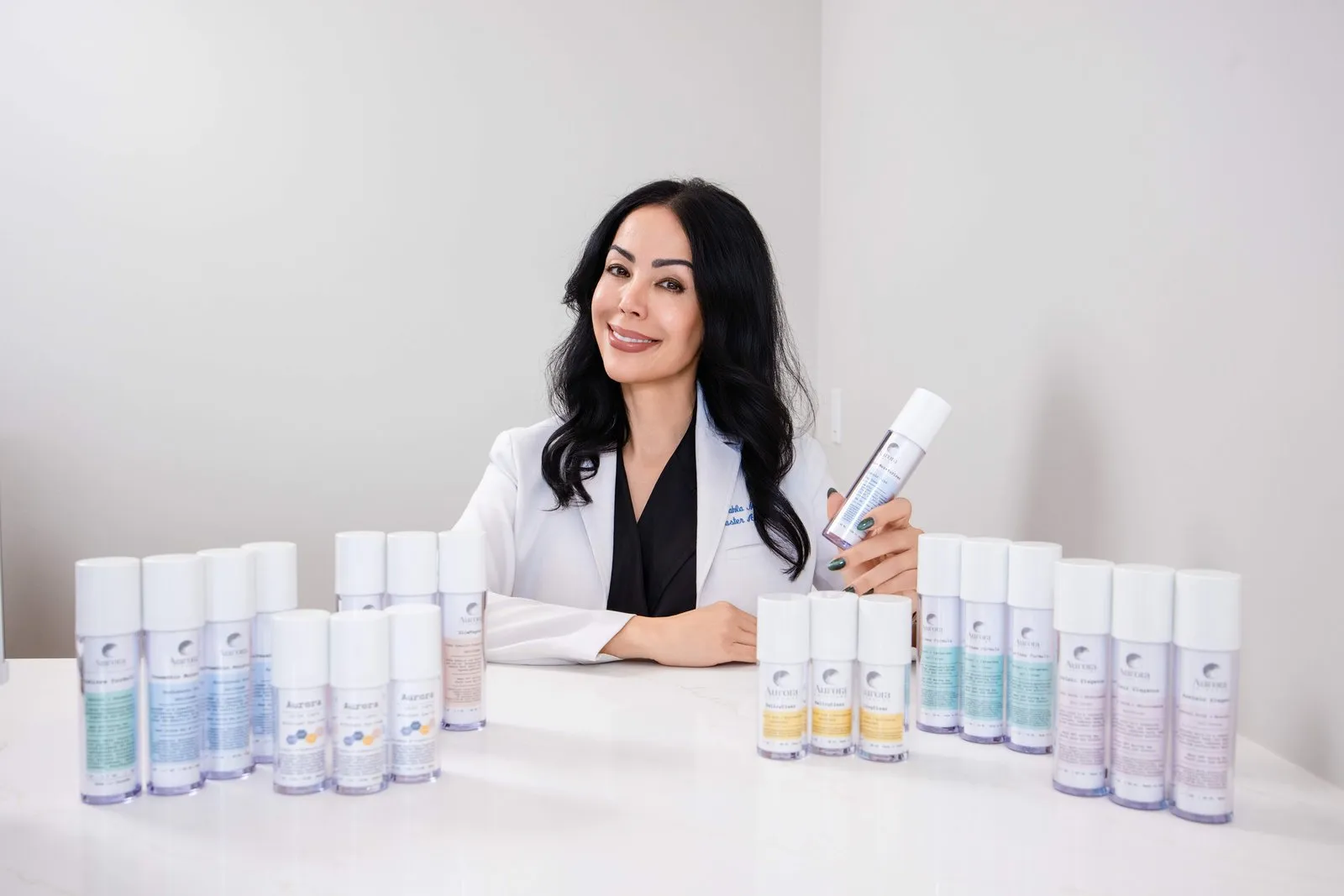
This order is a general framework. Product order may vary depending on the specific formulation, active ingredients, product texture, and your personal recommendations. The most effective routine is one you can follow comfortably, consistently, and without unnecessary stress.
Related products

How to Build Your Evening Skincare Routine in Your 40s
Evening care can remove sunscreen and makeup, support barrier comfort, and provide a place for a targeted active when appropriate. It should not leave your skin persistently burning, peeling, or tight.
- Remove the day's residue. Cleanse gently with comfortably warm water. Avoid aggressive scrubbing, which can increase discomfort for dry or reactive skin.
- Use retinol only when appropriate. If retinol is appropriate for your skin, follow the product directions and your provider's recommended frequency. Introduce it gradually and adjust use based on your skin's response. Pause or reduce use if marked redness, burning, or uncomfortable peeling develops.
- Moisturize. Finish with a moisturizer selected for your skin. Some people tolerate moisturizer after retinol, while others do better applying moisturizer before and after the active.
- Separate potentially irritating actives. Retinol, exfoliating acids, and acne treatments should not automatically be used in the same evening. Alternating products can make tolerance easier to evaluate.
- Review your response. Notice dryness, stinging, redness, peeling, or new breakouts. These signals can help your provider refine the routine rather than adding another product by trial and error.
Consistency generally matters more than a crowded shelf. If you are unsure whether to combine products, bring a list of ingredients and application frequency to a qualified provider or dermatologist.
When Should Professional Treatments Be Part of Your Routine?
A home routine supports daily hydration, barrier care, and sun protection, but it may not address every concern. Professional guidance can be useful when texture, tone, dryness, or sensitivity remains persistent despite consistent care. The purpose is not to replace home care. It is to clarify priorities and decide whether a customized treatment can complement it.
Our trained OCSC team can assess concerns such as dehydration, congestion, dullness, or uneven texture and discuss an approach that fits your skin condition and goals. Explore custom facial treatments to learn how professional care may fit alongside a manageable home routine.
Customized facials
A customized facial may be appropriate when your skin needs focused support without automatically adding a more intensive procedure. The treatment plan can account for sensitivity, current products, recent sun exposure, and the concerns you want to prioritize.
BioRePeel and Meta Therapy
BioRePeel may be considered for concerns involving dull tone or uneven texture. Treatment depth, preparation, and aftercare should be discussed based on your skin and recent product use. Meta Therapy is a precision microneedling treatment designed to create controlled micro-channels while supporting collagen stimulation and skin renewal. Our trained OCSC team customizes care according to skin condition, sensitivity, and goals. Learn more about Meta Therapy microneedling without assuming that age alone determines whether it is appropriate.

Use the Personalized Skin Roadmap to organize your skincare questions and priorities.
How Can You Personalize Your Routine in Newport Beach?
Your 40s are a useful point to reassess your routine, but age alone does not determine what your skin needs. A personalized plan should account for current skin condition, sensitivity, hydration, sun exposure, treatment history, and goals. Someone managing breakouts may need a different approach from someone focused on dryness, uneven tone, or visible texture.
OC Skin Care Center takes an education-first approach. The aim is not to assign every person the same products or treatments. It is to help you understand why a step may be appropriate, how to introduce it, and when your routine may need adjustment. The Tangent AI assessment for the Personalized Skin Roadmap takes approximately two minutes. The personalized roadmap is typically delivered within 24-48 hours, giving you a clearer framework for discussing next steps.
Bring your current product list to that conversation. Note how often you apply each item and whether you have experienced stinging, peeling, redness, or breakouts. This context helps connect general skincare education with a plan that respects your skin's actual response.
Frequently Asked Questions
Is it too late to start a skincare routine at 40?
No. It is not too late to begin. A consistent routine with gentle cleansing, hydration, broad-spectrum sunscreen, and carefully selected actives can support skin health at any age. Your current concerns and tolerance should guide product selection.
Is 40 too late to start retinol?
No. Age alone does not make retinol inappropriate. A provider should consider your skin condition, sensitivity, medications, pregnancy or breastfeeding status, and goals. If it is suitable, introduce it gradually and follow product directions.
What should a basic skincare routine for your 40s include?
A basic routine often includes gentle cleansing, moisturizer, and broad-spectrum sunscreen. An antioxidant, retinoid, or targeted ingredient may be added when it suits your skin. Keep the routine manageable and easy to repeat. Introduce meaningful changes one at a time.
Can I use multiple active ingredients in my 40s?
Sometimes, but combining several strong actives can increase irritation and make it difficult to identify the cause. Alternating products and introducing one change at a time may be more useful. Ask a qualified provider for guidance if you are unsure.
When should I seek professional guidance for skin care in my 40s?
Consider professional guidance when persistent dryness, sensitivity, uneven tone, texture changes, or breakouts do not improve with a consistent routine. Seek medical evaluation for unusual, painful, rapidly changing, or persistently itchy lesions.
Get Started With a Personalized Skin Roadmap
Learn about your Personalized Skin Roadmap and connect your routine with individualized guidance.