

Compare anti aging facial treatment orange county options for your 40s and 50s, including facials, timing, complementary care, and realistic results.
Anti Aging Facial Treatment Orange County: 40s & 50s
Aug 31, 2026

Skin in your 40s and 50s often needs a more thoughtful plan, not a more aggressive one. Changes in collagen, elastin, hydration, and accumulated sun exposure can affect texture, firmness, and luminosity, while hormonal shifts may contribute to dryness or thinning. The right approach depends on your skin's current condition, sensitivity, history, and goals.
Explore your personalized skin guidance
The best anti aging facial treatment orange county clients choose is not determined by age alone. A personalized plan may combine an education-led facial, supportive home care, or complementary treatments to improve hydration, texture, and radiance while keeping results natural-looking and realistic.
OCSC's trained team can help you understand how professional facial treatments in Newport Beach fit into a broader skin-health plan. For a wider overview of expert facial treatments in Orange County, review our related guide. First, it helps to understand what is changing beneath the surface and why those changes matter when choosing treatment.
Why Skin Changes in Your 40s and 50s
At OC Skin Care Center, providers begin with the understanding that skin changes gradually, not on a particular birthday. Lower structural support, cumulative sun exposure, barrier changes, and hormonal shifts may affect dryness, texture, firmness, and visible lines. Because these changes vary, treatment should be guided by skin condition, history, sensitivity, and personal goals rather than age alone.
Collagen and elastin support the skin's firmness and ability to recover from movement and stretching. When there is less of this structural support, the face can appear less full or defined, and fine lines may remain visible for longer. That does not mean every person needs an intensive treatment plan. A thoughtful assessment looks at the condition of the skin, not simply the number of years someone has lived.
Past sun exposure is another important part of the picture. Ultraviolet light can damage skin cells, and that exposure accumulates over time. According to the National Institute on Aging's guidance on skin care and aging, accumulated UV damage can contribute to changes in texture, premature skin aging, and wrinkles. Sun protection remains relevant at every age, especially when the goal is to preserve improvements in tone, texture, and overall skin health.
Hormonal changes can also influence how skin feels and behaves. During menopause, shifts in hormones may contribute to skin becoming thinner and drier. Someone may notice more tightness, sensitivity, or a greater need for barrier-supportive hydration. These concerns can overlap with the effects of sun exposure and the natural reduction in collagen and elastin. The right response depends on the individual's history and current skin needs.
For many people, care in this stage of life centers on supporting volume, elasticity, and luminosity while maintaining a healthy skin barrier. Gentle cleansing, appropriate hydration, daily sun protection, and targeted ingredients may all have a role. Professional care can address concerns such as dehydration or uneven texture, but treatment should be selected for a specific purpose rather than prescribed by age alone.
That distinction matters when considering an anti-aging facial treatment in Orange County. Your provider should consider sensitivity, dryness, congestion, pigmentation, texture, previous treatments, and the results you want to maintain. The most appropriate plan may be a focused facial, a refined home-care routine, or a combination of approaches. Education and individualized guidance help keep the process practical, comfortable, and aligned with natural-looking goals.
Choosing an Anti Aging Facial Treatment Orange County Clients Can Trust
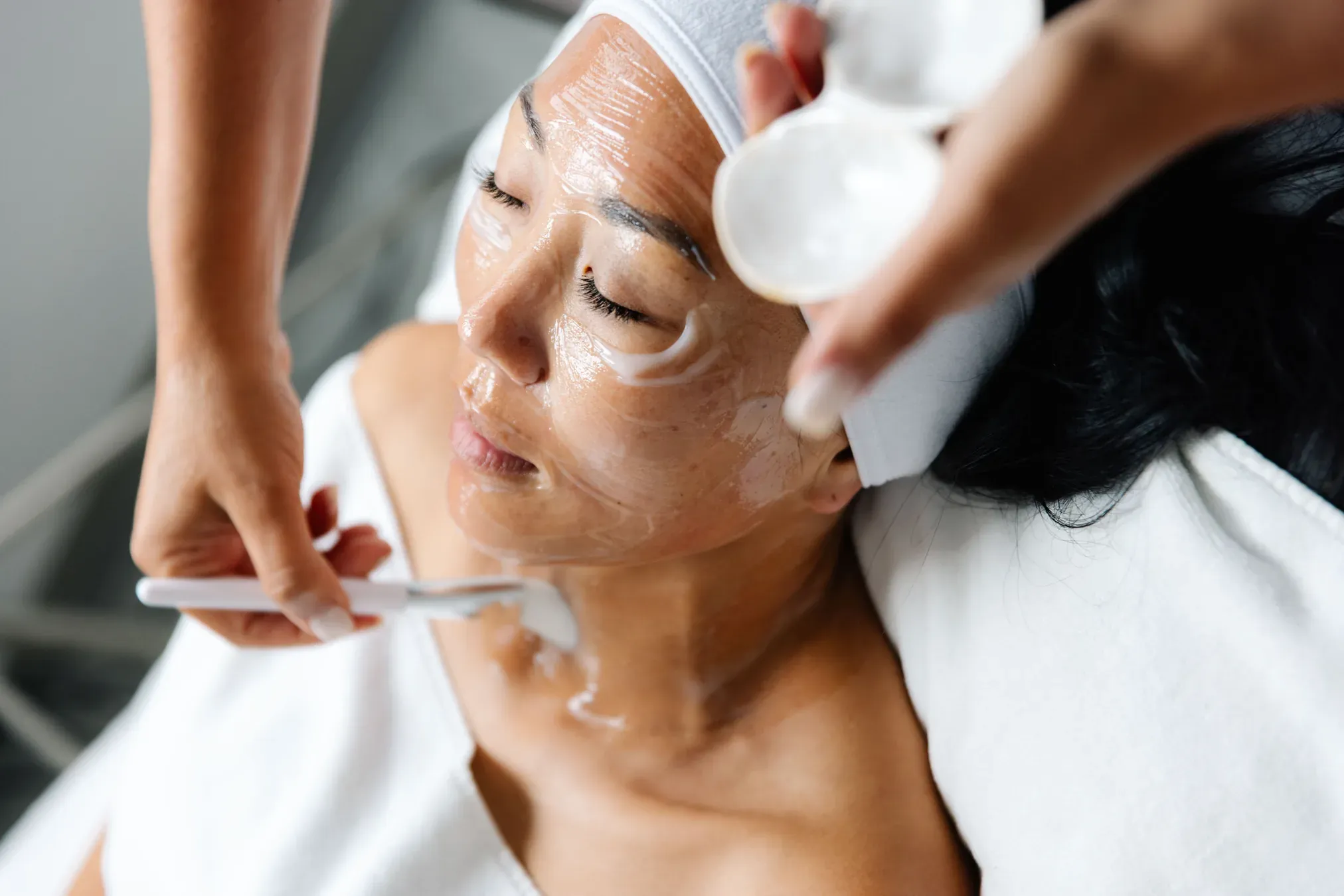
An Anti-Aging Signature Facial at OC Skin Care Center is designed to support the skin's appearance and comfort through a personalized, hands-on approach. Rather than following an identical sequence for every client, your provider considers your current skin condition, sensitivity, hydration level, congestion, texture, and goals before determining which parts of the treatment are most appropriate.
The facial uses manual stimulation, specialized serums, and hydration-focused steps selected around the individual needs of the skin to support a refreshed, hydrated, and healthier-looking complexion. Manual stimulation can be incorporated as part of the treatment experience to support circulation and help the skin look less fatigued. Specialized serums are selected according to the needs being addressed, while hydration-focused care helps support a smoother, more comfortable-looking complexion. These elements work together without implying that a facial can permanently lift the skin or reverse every visible sign of aging.
Customization matters more than a fixed checklist
Skin can change from one visit to the next. Seasonal dryness, recent sun exposure, an altered home-care routine, sensitivity, or congestion may all affect what your skin can comfortably tolerate. A thoughtful appointment may therefore emphasize hydration when the skin feels dry or depleted, or place more attention on cleansing and clarifying when congestion is the primary concern. Your provider can also help determine whether a different facial approach is more suitable for your goals. OCSC's professional facial treatment options include approaches with different purposes, such as deep hydration, texture improvement, and advanced aesthetic tools.
This individualized framework is especially useful for clients who want refined, natural-looking care rather than an aggressive treatment selected solely because it is labeled anti-aging. The goal is to match the treatment to what the skin is showing now, while respecting its barrier and overall tolerance.
How professional care complements home care
A facial is not a replacement for a consistent home routine. Daily care helps maintain the skin barrier through appropriate hydration, sun protection, and targeted products selected for personal needs. Professional treatment can complement that routine by addressing concerns such as deeper congestion or more pronounced dehydration that may be difficult to manage at home alone. The most appropriate combination depends on the formulation of the products being used, the skin's response, and guidance from your provider.
For that reason, an anti-aging facial treatment in Orange County should be viewed as one part of a broader skin-health plan. Ongoing professional guidance and realistic home care can help support hydration, texture, and overall radiance while keeping treatment choices aligned with your skin's current condition.
Which Treatments Can Complement an Anti-Aging Facial?
A facial can be a useful foundation for skin health, but it is not a substitute for every type of aesthetic treatment. The right plan depends on what you want to improve, your current skin condition, your sensitivity, and your treatment history. Some clients may benefit from consistent hydration and texture-focused facial care alone. Others may choose to pair a facial with a treatment that addresses collagen support, expression lines, or changes in facial volume.
Professional facials can support overall skin health alongside injectables by helping maintain a well-hydrated, more even-textured surface. They may also complement a barrier-focused home routine, which becomes increasingly important as skin in the 40s and 50s may need more support for hydration, texture, and elasticity. Combination care should be personalized rather than assumed.
| Treatment | Primary role | Key consideration |
|---|---|---|
| Facial | Hydration, cleansing, and surface texture support. | Selected around current skin needs. |
| Meta Therapy microneedling | Collagen and elastin stimulation. | Creates controlled microchannels; timing should be personalized around the client's treatment plan. |
| Neuromodulators | Softening expression-related lines. | Product and dosage are provider-determined. |
| Dermal filler treatments | Addressing selected volume or contour concerns. | Approach depends on anatomy and treatment goals. |
Where microneedling fits
Microneedling is distinct from a traditional facial. Microneedling uses fine needles to create controlled microchannels in the skin, stimulating the skin's natural renewal response and supporting collagen and elastin production. Meta Therapy microneedling may therefore be considered when texture or early signs of aging are a priority, but it should not be treated as an automatic add-on. Your provider can determine whether the treatment is appropriate for your skin and how it should be timed with other services.
Where injectables fit
Neuromodulators and dermal fillers address concerns that a facial does not directly treat. Neuromodulators can soften expression-related lines, while fillers may be considered for selected changes in volume or contour. Injectable products, dosage, placement, and timing are determined by a qualified provider after considering facial anatomy and the result you want. Neuromodulator results are generally described as lasting about 3 to 4 months, although individual variation is normal.
In some cases, a facial may be scheduled separately from an injectable or microneedling treatment to support comfort and skin maintenance. In others, adding another procedure may be unnecessary or poorly timed. An individualized plan keeps the focus on balanced, natural-looking improvement rather than performing more treatments simply because they are available.
How Often Should You Get an Anti-Aging Facial?
There is no single schedule that fits every skin type, concern, or stage of treatment. The right frequency depends on your current skin condition, how your skin responds, and what you are trying to maintain or improve. Someone managing dehydration may benefit from a different rhythm than someone focused on texture, congestion, or changes in firmness.
At OC Skin Care Center, your provider evaluates your skin needs and may often suggest a monthly schedule for consistent maintenance. That guidance is a general example, not a rule that every client should follow. A facial every four to six weeks may be appropriate for some people, while others may need more or less time between appointments. Seasonal changes, sensitivity, recent treatments, and your home routine can all influence the plan.
Why consistency matters more than a rigid calendar
Professional care works best as part of an ongoing approach rather than as an isolated appointment. The Anti-Aging Signature Facial uses manual stimulation, specialized serums, and hydration-focused steps to support the skin's appearance and comfort. Depending on your goals, a professional facial may complement daily care when dehydration or congestion is difficult to address at home.
Between appointments, focus on the basics that help support the skin barrier. Gentle cleansing, appropriate hydration, and targeted products can help your routine remain comfortable and sustainable. Moisturizers can temporarily plump the skin, making fine lines appear less visible, but that effect does not replace individualized treatment planning. Product order should also be treated as a general framework, since the best sequence can vary with the formulation, active ingredients, and your provider's recommendations.
Daily broad-spectrum sunscreen is another important part of maintenance. Ultraviolet exposure accumulates over time and contributes to changes in texture and premature skin aging. Protecting your skin consistently helps support the work you do at home and in the treatment room.
For practical guidance on building a routine around your skin's needs, explore this personalized skincare routine resource. Your provider can then adjust the timing of professional facials as your skin changes, rather than asking you to follow a schedule simply because it is popular.
What Results Can You Expect After Your First Treatment?
Your first anti-aging facial should be viewed as an opportunity to understand how your skin responds while beginning to address its current needs, not as a promise of complete transformation in one visit. You may notice that your skin feels more comfortable, hydrated, or refreshed afterward. The surface can look smoother and more luminous when dehydration or buildup has been contributing to a tired appearance.
Some of that early improvement may come from hydration itself. Moisturizers can temporarily plump the skin, which can make fine lines and wrinkles look less visible. The Mayo Clinic explains this temporary plumping effect, but it should not be confused with permanent wrinkle correction or a structural change in the skin.
What may improve first
After treatment, the most noticeable changes are often related to the skin's immediate condition. A professional facial can complement home care by addressing concerns such as dehydration or congestion, while hydration-focused steps and specialized serums support a healthier-looking surface. Your provider may also observe how your skin handles the treatment and use that information to refine future care.
- Hydration: Skin may feel softer, more supple, and less tight.
- Radiance: The complexion may appear fresher when dryness or surface buildup is reduced.
- Texture: Skin can feel smoother, although more persistent unevenness generally requires an individualized plan and consistent care.
Why longer-term goals take consistency
Texture, tone, firmness, and overall skin health depend on more than one appointment. Baseline condition, sensitivity, sun exposure, hormonal changes, current products, and daily habits all influence what you notice and how long it lasts. A facial can support your routine, but it cannot erase accumulated changes or guarantee a particular result.
For that reason, our trained OCSC team considers your current skin needs when discussing maintenance. Consistency between professional treatments and a well-curated home regimen provides stronger support for long-term skin health than relying on an occasional appointment alone. A barrier-focused routine with appropriate hydration and targeted treatment may be especially important as skin needs change over time. Explore this guidance in our personalized skincare routine resource.
The most useful outcome of a first visit is often a clearer understanding of what your skin needs next. Your provider can help distinguish a short-term hydration benefit from a goal that may require additional time, a different treatment, or adjustments at home.
Review OCSC facial treatment options
How Do You Choose the Right Plan in Orange County?
The most useful plan is not necessarily the most intensive option. It should reflect what you are noticing, how your skin is behaving now, what you have tried before, and what kind of change you want to support. Someone experiencing dehydration and a tired-looking complexion may need a different starting point from someone primarily concerned with uneven texture, expression lines, or gradual loss of firmness.
Use the following questions as a practical framework when comparing home care, an anti-aging facial, microneedling, and injectables:
- Identify the main concern and the condition of your skin. Consider whether your priority is comfort, hydration, congestion, texture, radiance, fine lines, or loss of firmness. Sensitivity, dryness, active irritation, and your current skin barrier also matter. An anti-aging facial may be a thoughtful starting point when the goal is hydration and refreshed-looking skin, while more involved concerns may call for a different conversation with your provider.
- Review your history and current routine. Tell your provider about previous facials, microneedling, injectables, prescription or active products, allergies, and any reactions you have experienced. A consistent home routine can support professional care, but product order and active ingredients are not universal. Your plan should account for the specific formulations you use and how your skin responds to them.
- Match the treatment to the type of change you want. Professional facial care can focus on hydration, cleansing, and overall skin health. Microneedling uses fine needles to create controlled microchannels that stimulate the skin's natural renewal response and support collagen and elastin production, making it more relevant to certain texture goals. Injectables address selected concerns such as expression lines or volume, and should be discussed separately from treatments focused on the skin's surface.
- Build a sequence rather than choosing in isolation. Your provider can help determine whether home care, an anti-aging facial, microneedling, or injectables should come first, and whether treatments need to be spaced apart. At OC Skin Care Center, the trained team tailors recommendations to current skin needs. The goal is a balanced plan that supports natural-looking improvement without assuming that one treatment fits every person.
- Use a personalized starting point when you are unsure. The complimentary Personalized Skin Roadmap begins with a Tangent AI assessment that takes approximately two minutes. The personalized roadmap is typically delivered within 24-48 hours, giving you an organized way to consider your skin needs before discussing next steps with a provider.
As your skin changes, the right plan may change with it. Reassessing sensitivity, comfort, texture, and goals helps keep professional treatment and daily care working together in a way that remains appropriate for you.
Frequently Asked Questions
What is the best anti-aging facial treatment?
There is no single best facial for every person. Your provider should consider your skin condition, sensitivity, hydration level, texture concerns, and goals. OCSC's Anti-Aging Signature Facial uses manual stimulation, specialized serums, and hydration-focused steps, while other facial options may emphasize deep cleansing, texture improvement, or advanced tools. The right choice is the one that supports your skin without over-treating it.
How often should you get an anti-aging facial?
Many clients may benefit from a schedule of about once a month, but frequency should follow your current skin needs and how your skin responds. OCSC notes that facial treatments are tailored individually and often suggests a monthly schedule for consistent maintenance: facial treatment guidance. Your provider may adjust timing if your skin is sensitive, dehydrated, congested, or recovering from another procedure.
Do facials actually help with signs of aging?
Facials can support visible improvements in hydration, comfort, texture, and radiance, especially when dehydration or congestion contributes to a tired appearance. They are not a permanent correction for every age-related change. A consistent home routine, including barrier-supportive hydration and appropriate sun protection, works alongside professional care to support long-term skin health.
Can facials complement injectables or microneedling?
Yes, facials can support overall skin health and texture alongside other treatments, but timing matters. Microneedling uses fine needles to create controlled microchannels that support the skin's natural renewal response and collagen and elastin production, while injectables address concerns such as expression lines or volume. Your provider can help coordinate treatments and aftercare based on your skin and treatment plan.
Get Started With Personalized Facial Guidance
The right anti-aging facial plan depends on your skin's current condition, goals, and treatment history. For guidance that is tailored to those considerations, complete the complimentary Personalized Skin Roadmap. It can help you organize your priorities and understand which next steps may be worth discussing with the OCSC team.