

Build a skincare routine for your 50s with gentle cleansing, hydration, mature-skin ingredients, sun protection, and personalized guidance from OCSC.
Skincare Routine for Your 50s: Expert Guide to Mature Skin
Sep 1, 2026

Skin in your 50s and 60s often needs a more thoughtful approach, not a longer product shelf. Hormonal shifts, cumulative sun exposure, and natural changes in oil, sweat, collagen, and elastin can leave skin drier, thinner, less resilient, or more uneven in texture. The most useful routine is one that supports the skin barrier, protects against ultraviolet exposure, and adapts to your skin's response over time.
Get your Personalized Skin Roadmap for individualized skincare guidance.
A skincare routine for your 50s should combine gentle cleansing, consistent moisturization, daily broad-spectrum sun protection, and carefully selected ingredients based on your skin's condition and goals. Product order and frequency are not universal, especially when active ingredients or professional treatments are involved.
For readers in Newport Beach and throughout Orange County, understanding what is changing beneath the surface makes it easier to choose practical home care and recognize when individualized professional guidance may help. For a broader foundation, read OCSC's Skin Health Science guide to building the right routine with expert guidance and Aurora products. Start by looking at the biology of mature skin, then build your routine around what it actually needs.
How Skin Changes in Your 50s and 60s
Skin in your 50s and 60s is not defined by one universal set of concerns. Genetics, sun exposure, hormones, medications, health history, climate, and the products you have used over time all influence how your skin looks and feels. Still, several age-stage changes can affect how you think about a skincare routine for your 50s, especially when a routine that once felt comfortable begins to cause dryness or irritation.
A thinner, less elastic outer layer
The outer layer of skin generally becomes thinner, paler, and less elastic with age. The National Institute on Aging also notes that age-related loss of elastin and collagen can contribute to wrinkles and more fragile skin. These changes may make texture, fine lines, and crepey-looking areas more noticeable, but they do not mean that every person needs the same products or treatments. They are reasons to pay closer attention to comfort, barrier support, and how your skin responds to active ingredients. The National Institute on Aging explains these changes in greater detail.
Why dryness can become more noticeable
Older adults may produce less sweat and oil from the skin's glands. As a result, some people notice more tightness, roughness, flaking, or sensitivity than they did earlier in life. Menopause-related hormonal changes can also make skin thinner and drier. This does not mean that everyone in menopause will have the same experience, or that dryness is the only concern. Some people continue to experience congestion, uneven tone, or oiliness in specific areas alongside drier skin elsewhere.
A useful response is to observe where and when discomfort appears rather than automatically adding more products. A cleanser that was once tolerable may feel stripping. A strong active may need to be used less often, introduced gradually, or reconsidered with provider guidance. The goal is not to chase a younger-looking version of your skin. It is to support skin that feels calm, hydrated, and resilient while addressing your actual concerns.
The cumulative effect of ultraviolet exposure
Years of ultraviolet exposure can change skin texture and contribute to premature aging and wrinkles. The amount of cumulative exposure differs widely, so two people of the same age may have very different patterns of pigmentation, fine lines, and texture. Daily sun protection remains relevant in Newport Beach and throughout Orange County, even when the immediate goal is improving dryness or firmness.
What research can and cannot tell us
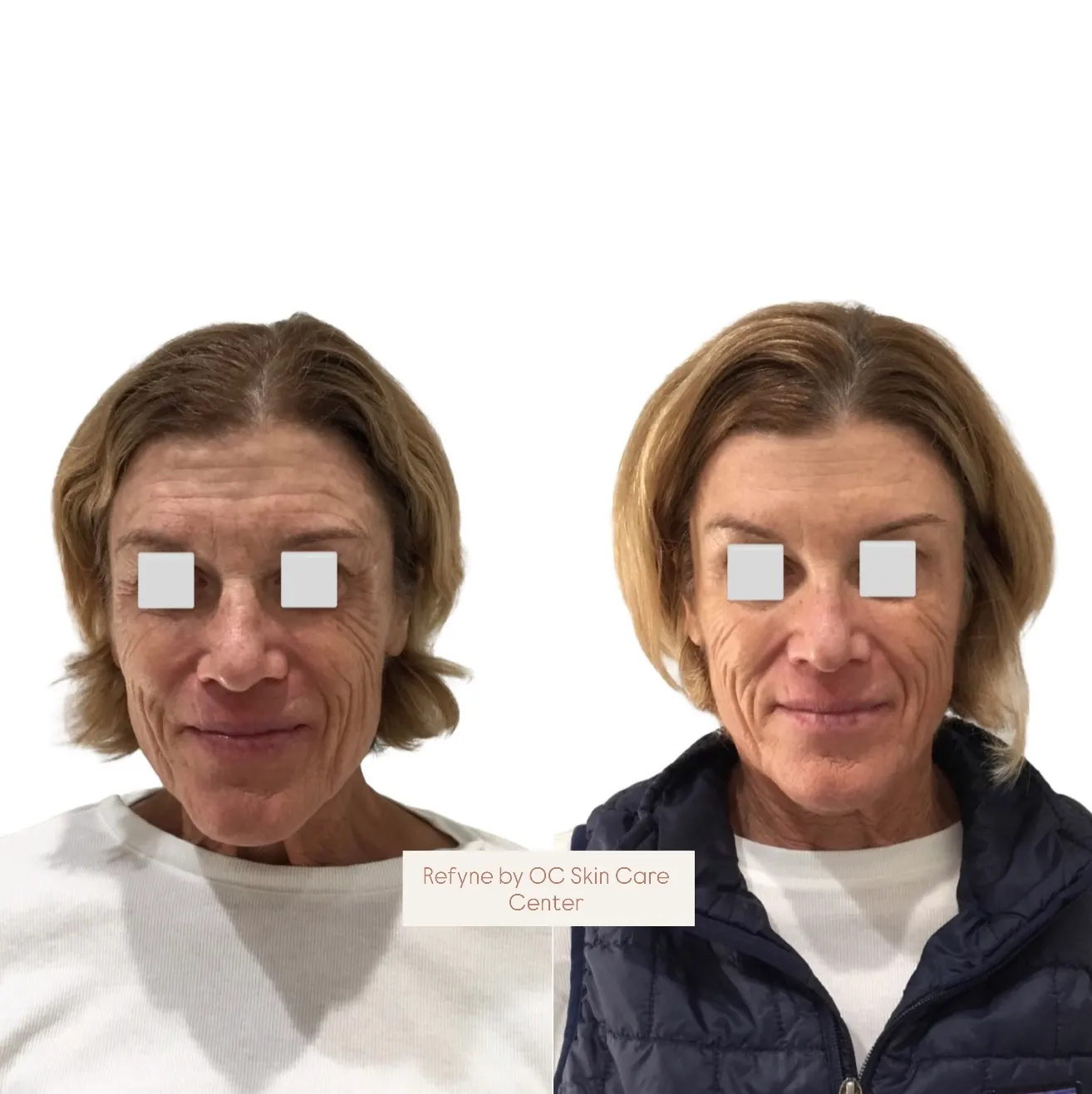
An observational study published in PubMed evaluated separate, adapted dermocosmetic regimens for perimenopausal and menopausal women over 56 days. The study included 101 women in each group, and the reported results included improvements in hydration and wrinkles, along with changes in transepidermal water loss and quality-of-life measures. Read the PubMed study and its methods. These findings support the value of considering life stage and individual skin needs. But they do not establish a universal routine, product combination, or schedule for every woman in her 50s or 60s. A thoughtful plan should be adjusted to your skin's condition, goals, and response over time.
Which Ingredients Matter Most for Mature Skin?
The most useful ingredients for mature skin are not necessarily the newest or strongest. They are the ones that address your current needs without creating irritation that makes dryness, sensitivity, or uneven texture more noticeable. As skin changes, a thoughtful skincare routine for your 50s may place greater emphasis on hydration, barrier support, tone, and gradual renewal. For more context on OCSC's approach, explore the Skin Health Science guide to building a routine with expert guidance and Aurora products. The right combination depends on your skin condition, other products, and personal goals.
Start with hydration and barrier support
Hydrating ingredients help attract or hold water, while moisturizing ingredients help reduce water loss and improve comfort. A well-formulated moisturizer can make fine lines appear less prominent by supporting a smoother, more supple surface. The National Institute on Aging recommends using moisturizers every day and choosing mild soap with warm, rather than hot, water for dry skin care. Read the NIA guidance on caring for aging skin for the broader context.
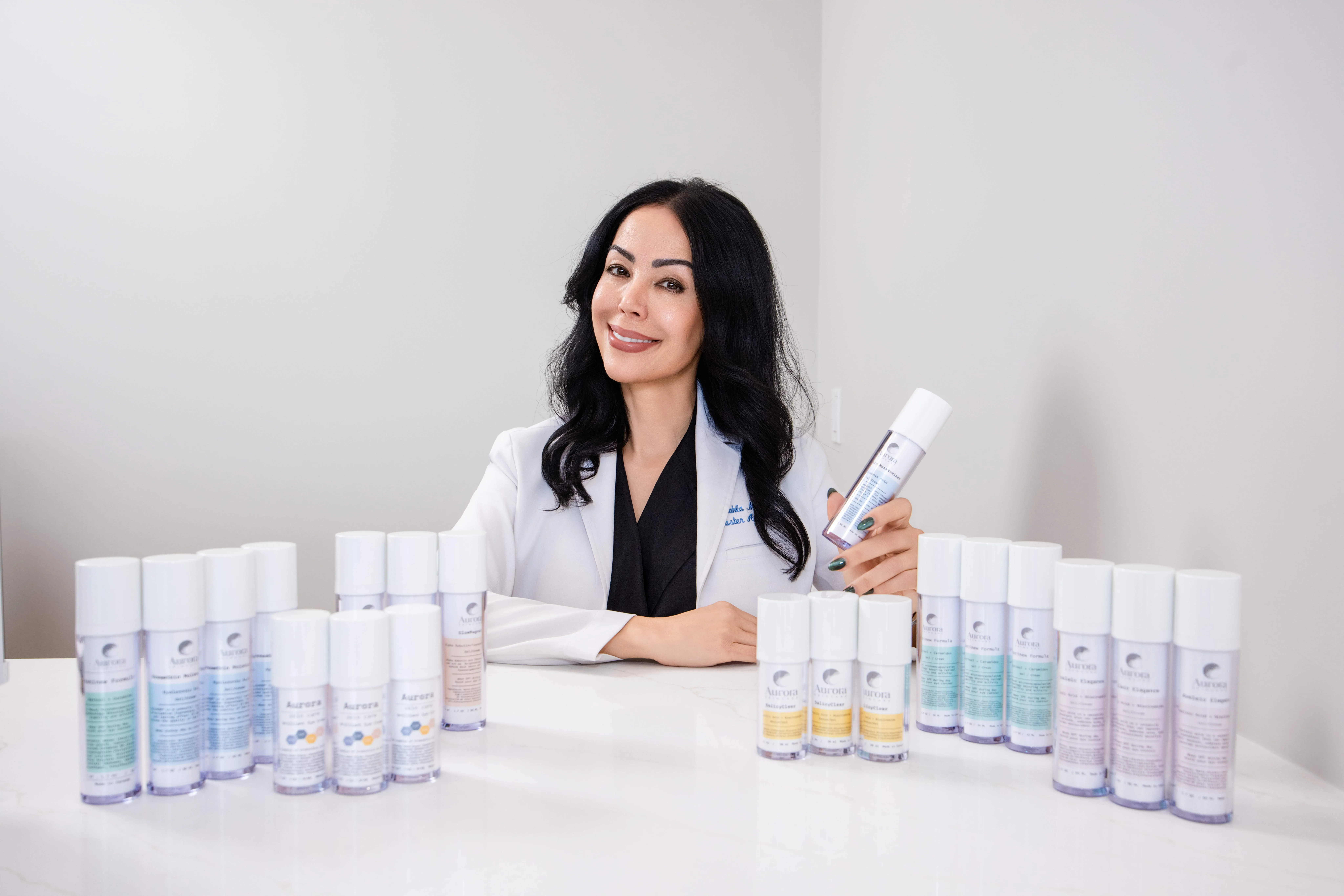
Barrier support matters because over-cleansing, hot water, and too many active products can leave skin feeling tight or reactive. DreamSkin Moisturizer from OCSC's proprietary Aurora Skincare line is a lightweight hydration option designed to support skin comfort as part of a personalized routine. That does not mean it is the right choice for every person or that more product is better. The goal is to select a formula that fits your skin's needs and use it according to product directions or your provider's recommendations.
Choose brightening and renewal ingredients carefully
Antioxidant and brightening ingredients may help support a more even-looking tone, especially when dullness or the appearance of discoloration is a concern. SalicyClear and Azelaic Elegance are OCSC products that can be discussed in the context of congestion, uneven tone, or other individual skin needs. Their place in a routine should be based on the formulation, your tolerance, and any other active ingredients you use. Consistent sun protection is also important when working on the look of uneven tone, since cumulative ultraviolet exposure can affect texture and contribute to premature aging and wrinkles. For more context on OCSC's personalized approach, revisit the Skin Health Science guide to building the right routine with expert guidance and Aurora products.
Retinoids are another ingredient category commonly considered for texture and visible signs of aging. Retinew is OCSC's retinoid-focused product option, but there is no universal schedule that suits everyone. Introduce it gradually, follow the product directions, and adjust frequency based on how your skin responds or on guidance from your provider. Peeling, persistent burning, or worsening irritation is not a sign that an ingredient is working better.
Ingredient labels and marketing claims deserve a measured review. The NIA advises skepticism toward products making broad antiaging promises. It also notes that many cosmetics do not require human testing or FDA approval before entering the market. Professional guidance can help you compare ingredients and choose a practical plan. At OC Skin Care Center, the trained team can help connect product selection to your skin's condition rather than handing you a rigid list. A personalized approach is especially valuable in Newport Beach and Orange County, where daily sun exposure may be part of the picture.
What Does a Skincare Routine for Your 50s Look Like in the Morning?
A morning routine for mature skin should create a calm, protective foundation rather than introduce every available active ingredient at once. Skin in the 50s may be more prone to dryness, sensitivity, or changes in texture. The right approach depends on your skin's condition, current products, and personal goals. The framework below is a starting point, not a universal prescription. Product order can vary depending on the specific formulation, active ingredients, and recommendations from your provider.
- Cleanse gently, if cleansing is appropriate for your skin. Use lukewarm water and a mild facial cleanser to remove overnight residue without leaving the skin tight or stripped. The American Academy of Dermatology recommends a mild cleanser and warm water rather than soap for facial washing. If your skin is especially dry or sensitive, your provider may recommend a simpler approach in the morning. Avoid hot water and vigorous rubbing, both of which can make discomfort and dryness more noticeable.
- Apply a treatment or serum based on your needs. This step is optional and should be chosen for a specific purpose, such as supporting hydration, calming visible redness, or addressing uneven tone. A hydrating formula may be useful for skin that feels dry, while an antioxidant or brightening product may suit a different concern. OCSC's Aurora Skincare line includes options such as Azelaic Elegance and SalicyClear, but no product is right for every person. Follow product directions and provider guidance instead of layering several strong actives simply because they are popular. If you use a retinoid product such as Retinew, discuss when and how to use it with your provider rather than treating it as a required morning step.
- Moisturize where your skin needs support. A moisturizer helps trap water in the skin and can make dry skin look and feel more comfortable. Choose the texture that suits your skin and the products beneath it. DreamSkin Moisturizer is an OCSC option that may fit into an individualized routine, but the ideal formula and amount depend on your skin's needs. Allow each product to settle as directed, and reduce layers if your skin feels heavy, warm, or irritated.
- Finish with broad-spectrum, water-resistant SPF 30 or higher. Sun protection is the foundation of a mature-skin routine because cumulative ultraviolet exposure contributes to changes in texture and premature skin aging. Apply sunscreen to exposed skin, including commonly missed areas such as the ears, neck, chest, and backs of the hands. For a practical overview, read about sun protection in Newport Beach.
- Pair sunscreen with everyday protection. A morning routine does not end with the bottle. Newport Beach and the wider Orange County area offer many opportunities for outdoor exposure, including walks, errands, and time near the water. Seek shade when possible, especially during the strongest part of the day, and consider a wide-brimmed hat, sunglasses, and clothing that covers exposed skin. Reapply sunscreen according to the product label and your activities, particularly after swimming, sweating, or toweling off.
Consistency matters more than having the longest routine. If a product causes persistent stinging, peeling, or unusual redness, pause and ask your provider how to adjust your regimen. A personalized skincare routine can account for dryness, sensitivity, pigmentation, and the way your current products interact, helping you make thoughtful changes without overwhelming your skin.
How Should You Adapt Your Evening Routine in Your 50s?
An evening routine should help remove the day's buildup while protecting the comfort and resilience of mature skin. Skin can become drier with age, and hot water or too much soap may make that dryness worse. A thoughtful nighttime framework is therefore less about collecting more products and more about using compatible steps, observing how your skin responds, and making adjustments when needed.
The sequence below is a starting point, not a universal prescription. Product order can vary according to the specific formulation, active ingredients, your skin's condition, and your provider's recommendations. If you are building a personalized skincare routine, consider how each product fits your individual needs rather than copying a routine designed for someone else.
-
Remove makeup and sunscreen thoroughly
Begin by removing makeup, sunscreen, and the residue that accumulates during the day. This is especially relevant after time outdoors in Newport Beach or Orange County, where daily sun exposure can add to cumulative ultraviolet damage over time. Use a removal method that is effective without requiring vigorous rubbing. The eye area may need extra patience, and a soft cloth should glide over the skin rather than pull at it. If a first cleansing step leaves your skin tight, stinging, or visibly irritated, the product or technique may not be the right fit.
-
Cleanse gently with warm water
Follow with a mild facial cleanser and warm, not hot, water. The American Academy of Dermatology recommends washing away dirt and grime and choosing a mild cleanser over traditional soap for facial washing. The National Institute on Aging also cautions that hot baths and showers and excessive soap can worsen dry skin. Keep the contact time practical, massage with clean fingertips, and rinse without scrubbing. Clean skin should feel comfortable afterward, not squeaky or stripped.
-
Choose one active focus at a time
After cleansing, decide whether the evening calls for an active product or a recovery-focused routine. Using several strong actives together can make it difficult to identify what your skin tolerates. OCSC's Aurora Skincare line includes options such as SalicyClear, Azelaic Elegance, and Retinew. But the appropriate choice depends on concerns such as congestion, uneven tone, sensitivity, dryness, and the rest of your routine.
If Retinew is appropriate for your skin, introduce it gradually and follow the product directions and provider-recommended frequency. There is no universal retinol schedule that suits every person in their 50s. Pay attention to dryness, redness, burning, or persistent discomfort, and adjust use based on your skin's response and professional guidance. Avoid treating temporary irritation as proof that a product is working. A slower, more comfortable approach may be better for maintaining consistency.
-
Support hydration with the products your skin needs
Hydrating ingredients can be useful when skin feels dry or less comfortable, but they should be selected in context. For example, hyaluronic acid for hydration may be relevant to a routine focused on moisture support, while the final products still need to suit your skin and climate. Applying a hydrating product as directed and observing how it layers with other formulas is more useful than assuming every product belongs in the same order.
-
Finish with a moisturizer and reassess
Complete the evening with a moisturizer when your skin benefits from additional comfort and barrier support. DreamSkin Moisturizer is an OCSC option that may be considered based on individual needs, product directions, and provider guidance. Moisturizers help manage dry skin, but richer is not automatically better. Use an amount and formula that leaves skin comfortable without unnecessary heaviness, and reassess the next morning. Changes in weather, menopause-related dryness, new prescriptions, or a newly introduced active may all justify revisiting the framework.
A consistent evening routine for your 50s should feel sustainable, not punishing. If your skin repeatedly reacts or your goals are changing, professional guidance can help separate a product issue from a broader skin concern and refine the routine without adding unnecessary steps.
When Can Clinical Treatments Complement an At-Home Routine?
A well-planned home routine can support daily cleansing, hydration, barrier care, and sun protection. An in-office facial may complement that routine when your skin needs a more focused assessment or when a particular concern is difficult to address with products alone. That does not mean professional treatment is required, or that more intensive care is automatically better. The right choice depends on your skin's condition, sensitivity, goals, current products, and how your skin responds over time.
For someone building a skincare routine in their 50s, a conversation with a provider can also help prevent a common problem: adding several new products and treatments at once. Our trained OCSC team can review your current approach and identify the main concern, whether it is dryness, congestion, dullness, texture, or fine lines. The team can then recommend a treatment plan that fits your skin rather than a generic age-based menu. Treatment planning should also include appropriate aftercare, especially if your skin is sensitive or your home routine includes active ingredients.
| Concern | Possible OCSC option | Personalization note |
|---|---|---|
| Dryness, dullness, or a feeling of imbalance | Custom HydraFacial | Tailored to cleansing, hydration, balance, and current skin condition. |
| Fine lines, early signs of aging, dryness, or loss of firmness | Anti-Aging Signature Facial | Your provider adjusts the facial to your skin needs and goals rather than treating every mature complexion the same way. |
| Uneven texture, reduced clarity, or lack of radiance | Hydra Peel | This gentle resurfacing option is customized to skin sensitivity and condition, with comfort considered as part of the plan. |
A Custom HydraFacial may be a useful option when the priority is a refreshed, hydrated feel alongside support for texture, dullness, congestion, or dryness. The Anti-Aging Signature Facial is designed around skin health and rejuvenation, with attention to concerns such as fine lines and loss of firmness. A Hydra Peel offers a gentle resurfacing approach when improving texture, clarity, and radiance is appropriate. These descriptions are starting points, not diagnoses or guarantees.
The best treatment may also change as your skin changes. Seasonal dryness, recent sun exposure, irritation, medication use, or a new active product can affect what is appropriate at a given visit. Your provider can discuss whether to proceed, modify the treatment, or focus on home care first. You can learn more about customized facial treatments and review the professional facial benefits that may make in-office guidance a useful part of an individualized plan.
What Skincare Mistakes Should You Avoid in Your 50s and 60s?
A thoughtful skincare routine for your 50s should make your skin easier to care for, not turn it into a constant experiment. As skin becomes drier or more sensitive, certain habits can work against comfort and consistency. The goal is not to pursue every antiaging promise. It is to understand what your skin needs now and make practical adjustments without judgment.
Chasing broad promises or stacking too many actives
Be cautious with products that promise to erase wrinkles, reverse every sign of aging, or deliver dramatic results for everyone. The National Institute on Aging recommends skepticism toward broad antiaging claims. It also notes that many cosmetic products do not require human testing or FDA approval before entering the market. Read the NIA guidance on skin care and aging for context.
Another common mistake is adding several exfoliants, brightening ingredients, and retinoid products at once. This can make it difficult to tell what your skin tolerates and may leave it feeling irritated or excessively dry. Introduce changes thoughtfully, follow product directions, and ask your provider or a dermatologist for help when you are unsure. A product such as Retinew may be appropriate for some routines, but frequency should follow its directions and provider guidance, with gradual introduction and adjustments based on your skin's response.
Over-cleansing, hot water, and skipping moisturizer
Very hot showers, vigorous scrubbing, and too much soap can remove more than dirt. They may worsen dryness, particularly when the skin is already producing less oil. A mild cleanser and warm, not hot, water are gentler choices. Cleanse as appropriate for your skin rather than assuming that a tight, squeaky feeling means it is cleaner.
Moisturizer is not an optional finishing touch when dryness is part of the concern. Daily moisturizing can help support comfort and reduce the feeling of tightness. Choose a formula based on your skin's condition, and remember that order can vary depending on the formulation and the other products in your routine.
Underestimating sun exposure and whole-person skin health
Inconsistent sun protection, intentional tanning, or relying on a cloudy-day assumption can undermine otherwise careful skincare. The American Academy of Dermatology explains that tanning beds and sun lamps expose skin to harmful UV rays that accelerate skin aging: AAD guidance for skin care in your 40s and 50s. Use broad-spectrum SPF 30 or higher on exposed skin, and consider shade and protective clothing when appropriate.
Smoking can also contribute to a dull, dry complexion and premature lines. Rather than treating skin as separate from the rest of your health, pay attention to supportive basics such as adequate hydration, balanced meals with fruits, vegetables, lean proteins and healthy fats, and restorative sleep. These habits do not replace individualized skincare, but they are part of a more complete approach to long-term skin health.
Explore personalized guidance for your skincare routine for your 50s.
Frequently Asked Questions
How often should I change my skincare routine after 50?
Change one product or step at a time, and reassess when your skin's condition, sensitivity, dryness, or goals change. A routine does not need to be replaced simply because you reach a particular birthday. Your provider can help adjust ingredients and frequency as your skin responds.
What is the best skincare line for someone over 50?
There is no single best line for every person. The right products depend on your barrier, hydration, discoloration, sensitivity, and other concerns. OCSC's Aurora Skincare options, including SalicyClear, Azelaic Elegance, Retinew, and DreamSkin Moisturizer, can be considered when their ingredients fit your needs and are used according to product directions or provider guidance.
Can I use retinol if my mature skin is dry or sensitive?
Possibly, but introduce a retinoid gradually and follow the product directions or your provider's recommended frequency. Do not force a schedule that leaves your skin persistently irritated. A moisturizer and adjustments based on your skin's response may be important, and professional guidance can help determine whether the ingredient is appropriate.
What matters most in a skincare routine for your 50s?
Consistency matters more than a long product list. Gentle cleansing, regular moisturization, appropriate active ingredients, and daily broad-spectrum sun protection create a practical foundation. The order and frequency of products can vary by formulation, active ingredients, skin condition, and personal recommendations.
Should I add professional treatments to my home routine?
Professional care may complement an at-home routine when a concern would benefit from assessment or a more customized plan. The trained OCSC team can discuss options such as facial treatments and appropriate aftercare based on your skin and goals, rather than applying the same treatment plan to everyone.
Get Started With a Personalized Skin Roadmap
Your skin in your 50s or 60s may benefit from a routine shaped around its current needs, product tolerance, and goals rather than a one-size-fits-all sequence. OCSC's complimentary Personalized Skin Roadmap can help you understand which steps may be most appropriate to explore. The Tangent AI assessment takes approximately two minutes, and your personalized roadmap is typically delivered within 24-48 hours.
Start your Personalized Skin Roadmap for individualized skincare guidance.